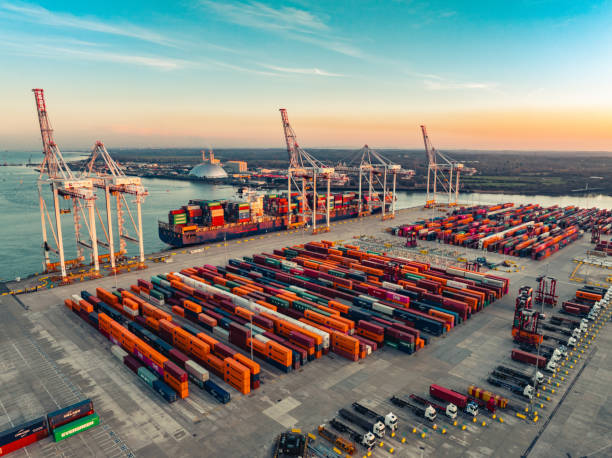
Since the rise of globalisation in the late 20th century, businesses have manufacturing and resources to low-cost regions to maintain high profit margins. This shift significantly reduced costs and expanded market reach, yet it inadvertently entrenched fragility into the system through dependence on single suppliers, concentrated production, and extended lead times.
A May 2025 report by Willis Towers Watson (WTW) reveals that geopolitical risk is the top concern for 19% of businesses, with inflation close behind at 18%, cybersecurity risks at 16%, and raw material shortages/regulatory changes doubling to now 14%. Amidst these new challenges, businesses are racing to make their supply chains resilient in a way that balances cost efficiency and market share.
For example, Nissan now employs a proactive framework to monitor emerging developments. Via its new Risk Sensing System from Everstream Analytics, Nissan can identify and map every supplier in their chain. Specifically, potential issues such as downtime at suppliers, logistic failures, adverse weather conditions or cybersecurity breaches. Upon detection, the system provides alerts that are appropriate to the manufacturing location, prioritised (depending on its impact) and contextualised with mitigation steps to support coordination. Consequently, it has allowed the automobile giant to not only increase its supply chain visibility but crucially uphold resilience in the face of unprecedented changes.
BCG notes that companies are beginning to disperse their manufacturing footprints by enabling more geographic options. Countries with low costs and that are also geopolitically neutral can help businesses withstand future shocks. In response to the recent challenges stated previously, supply chain resilience has now become a core business imperative. The goalpost has moved from just efficiency and now encompasses flexibility, proactivity, and vigilant monitoring of potential threats.
Written by Habibul Islam
Sources: Forbes (Nissan), BCG, WTW (Report)
https://www.wtwco.com/en-ng/insights/2025/05/wtw-global-supply-chain-risk-report-2025
https://www.bcg.com/publications/2025/cost-resilience-new-supply-chain-challenge