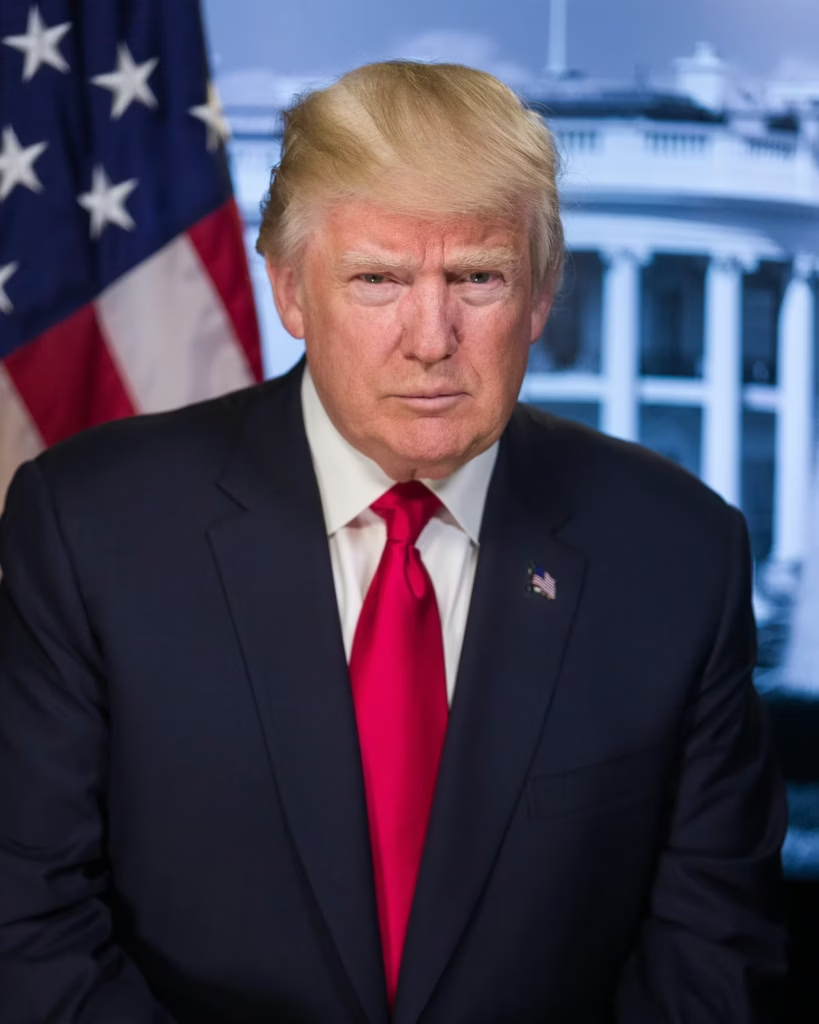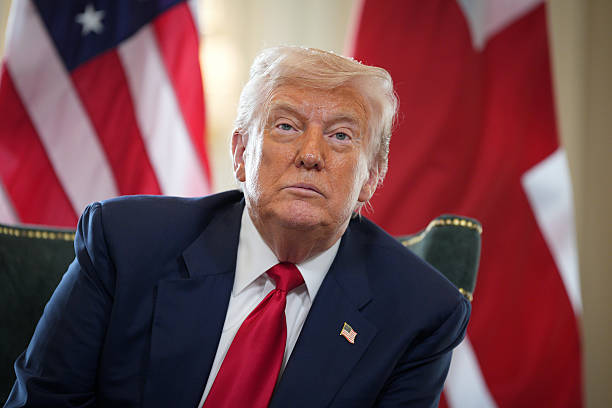
After passing across the midpoint of what has proved to be a particularly turbulent year, geopolitically and economically, the House of Representatives passed US President Donald Trump’s ‘One Big Beautiful Bill’.
The proposed legislation notably addresses taxation, social security, healthcare, energy spending, and defence spending.
Taxation
Through reducing tax revenues by $4.5trn over the next decade, there are major concerns regarding the bill’s impact on US debt, which has historically been mitigated by a global demand for treasury assets and the dollar itself. Should investors become wary of the US’ long-term economic success, this bill could threaten the US’ future public spending capacity.
Social Security and Healthcare
Although the legislation will introduce a standard $4,000 tax deduction for 65+ citizens ($6,000 for earners below $75,000), the bill could remove health coverage for approximately 12-17 million Americans. This could significantly worsen the US’ social progress in the coming years, deterring domestic and foreign citizens away from the nation.
Energy Spending
As expected, President Trump has sought to withdraw support for clean energy initiatives. His plan to cut tax breaks, through removing solar and wind tax credits, will affect projects that begin construction after 2025. This will disincentivise environmentally conscious investors from supporting renewable energy businesses that will naturally struggle to survive in the US market.
Defence Spending
Increasing their budget by $150bn to support the “Golden Dome” missile defence project and committing a further $100bn to Immigration and Customs Enforcement concerningly highlights that the Trump Administration is anticipating further international conflict and will likely become more authoritarian towards a vast proportion of US citizens.
Looking Forward
The One Big Beautiful Bill will undoubtedly shift the US’ wider approach to social matters and economic policies. In the best-case scenario, the Trump Administration will implement forward-thinking strategies that could offset the consequences of its transformative changes. If not, this bill realistically could significantly threaten the US’ debt growing debt crisis, may destabilise migrant-supported industries, and will further isolate the US as a prospective ally in international conflicts and resolutions to promote energy security.
Writer – Imran Chaudhri
Sources – BBC, Al Jazeera, Sky News, FT, Latham and Watkins LLP